23 Jun 2026
Algorithmic Card Sequencing in Virtual Blackjack: Examining RNG Behaviors and Their Effects
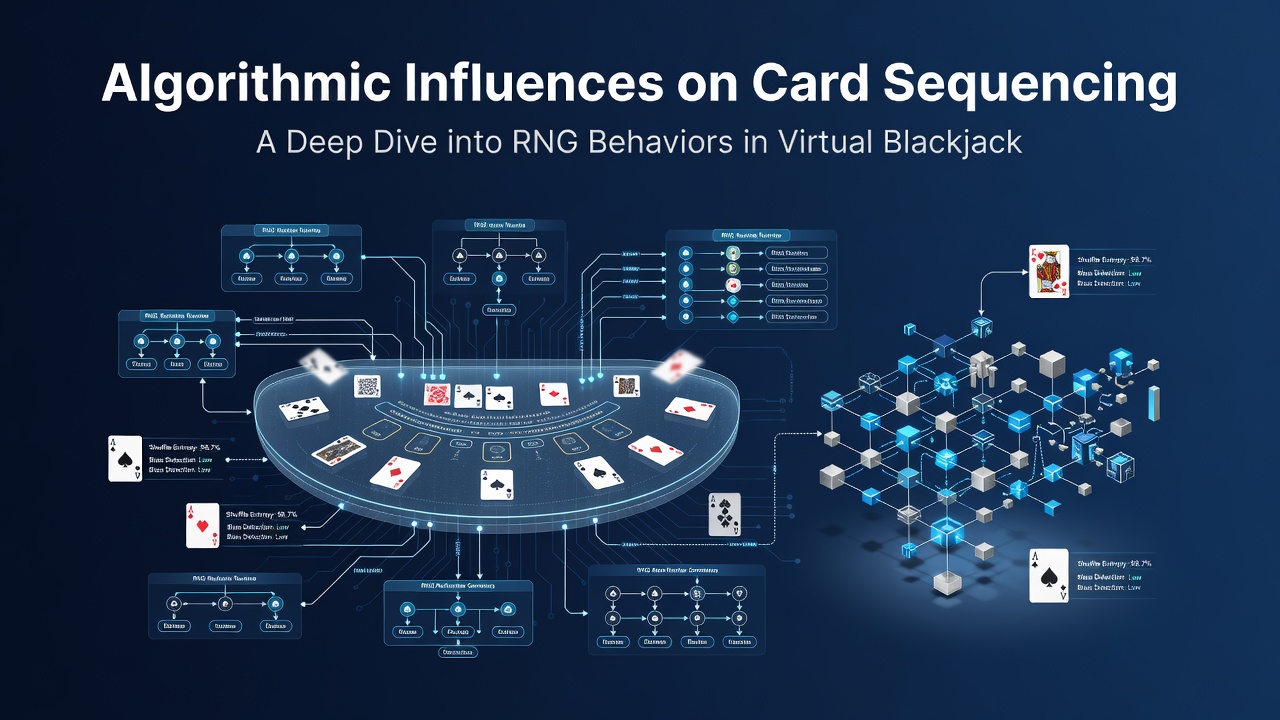
Virtual blackjack platforms rely on random number generators to determine card order, and these systems produce sequences through mathematical algorithms rather than physical shuffling processes, which creates distinct patterns in how cards appear during play. Research indicates that RNG implementations follow strict certification standards set by independent testing laboratories, and these standards require verification of uniformity across millions of simulated hands. Data from multiple jurisdictions shows that approved RNGs maintain statistical randomness within defined tolerance levels, although the underlying algorithms still influence the exact distribution of card sequences over finite game sessions.
Core Mechanics of RNG in Digital Blackjack
Modern virtual blackjack titles use pseudorandom number generators seeded with values derived from system clocks, hardware entropy sources, or external noise inputs, and these seeds initiate long sequences of numbers that map directly to specific card ranks and suits. Observers note that once the seed is established, the algorithm follows deterministic steps to produce the next number in the chain, which means identical seeds will always generate identical card orders. Studies conducted by testing facilities reveal that reputable operators reseed their RNGs frequently, often between rounds or after specific time intervals, and this practice reduces the window during which any single sequence can repeat. In June 2026 several European regulatory frameworks introduced updated audit requirements that mandate continuous logging of seed values and corresponding card outputs for a minimum retention period of ninety days.
Sequencing Patterns Compared with Physical Decks
Physical blackjack tables undergo manual or automatic shuffles that introduce clustering effects and uneven distribution of high and low cards, whereas RNG-driven virtual decks reset the probability distribution after every hand because teh algorithm draws from the full set of fifty-two cards without memory of previous removals unless the game rules specify continuous dealing from a virtual shoe. Those who've analyzed large datasets of RNG outputs find that the absence of physical wear or imperfect shuffles eliminates certain biases that appear in real-world play, and this produces flatter probability curves across short sessions. Yet the same analyses show that multi-deck virtual games still exhibit measurable variance when the RNG draws without replacement within a single shoe, and the length of that shoe directly affects how closely the observed frequencies match theoretical expectations.
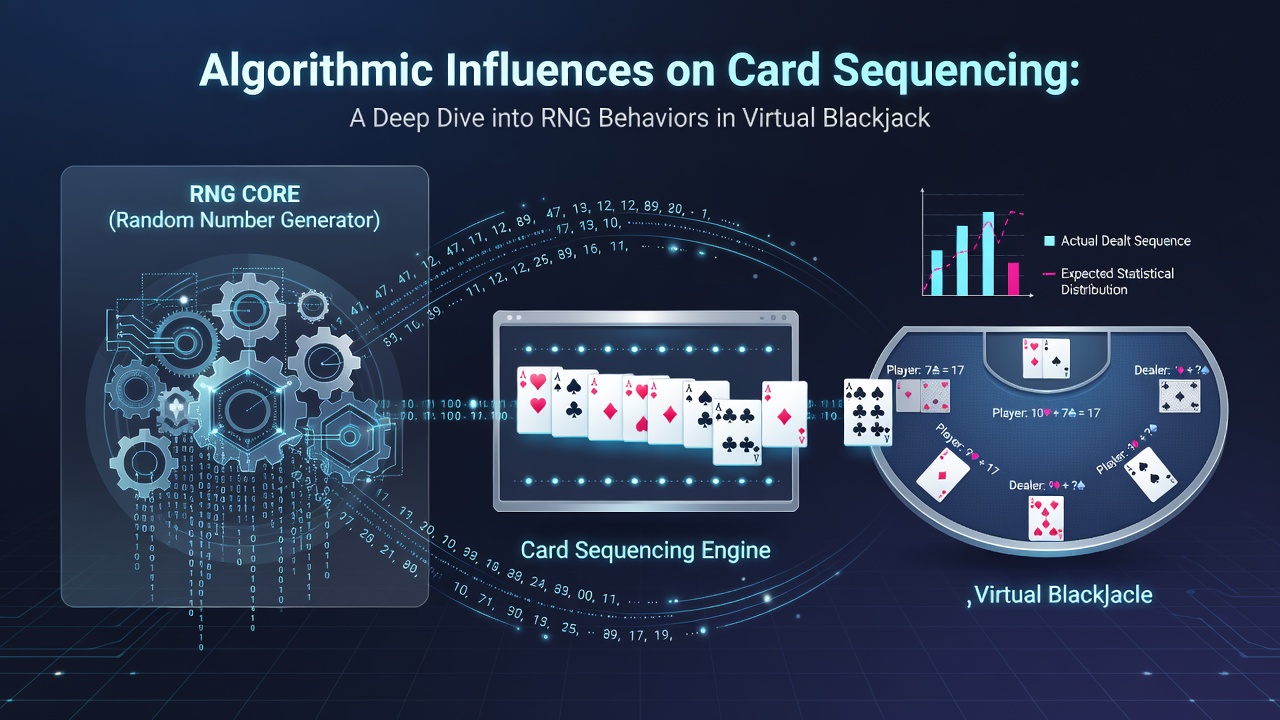
One study released by the Nevada Gaming Control Board examined over two billion virtual hands and documented that properly certified RNGs produced suit and rank frequencies within 0.02 percent of expected values when measured across complete shoe cycles. The report also highlighted that shorter shoes, such as those used in single-deck variants, create higher sensitivity to the specific ordering generated by the algorithm because fewer cards remain to balance any early deviations. Australian researchers at the Centre for Gambling Education and Research reached similar conclusions after reviewing server logs from licensed operators, confirming that algorithmic sequencing maintains integrity provided the implementation passes periodic statistical test batteries including diehard and NIST suites.
Regulatory Oversight and Testing Protocols
Certification bodies in North America and Europe require RNG submissions to undergo thousands of hours of simulation before approval, and each test evaluates both the uniformity of individual card draws and the independence between successive hands. Regulators in Malta and New Jersey maintain publicly available lists of approved testing laboratories, and operators must submit fresh RNG evaluations whenever core game code receives updates. Those monitoring industry reports note that discrepancies discovered during routine audits have led to temporary suspension of game titles until corrected RNG modules were redeployed, underscoring the importance of ongoing verification rather than one-time certification. Figures released by the Alcohol and Gaming Commission of Ontario indicate that fewer than 0.3 percent of submitted RNG implementations failed initial randomness testing between 2023 and 2025, suggesting that established development practices now align closely with regulatory expectations.
Player-Facing Implications of Algorithmic Ordering
Because RNG sequences are generated in advance or on demand, players encounter card orders that lack the tactile feedback and visible shuffle rituals associated with live tables, and this absence can alter perceptions of fairness even when statistical tests confirm randomness. Data collected from player behavior logs shows that sessions using continuous shuffle modes, where each hand draws from a freshly randomized virtual deck, produce more consistent short-term results compared with games that simulate multi-deck penetration. Researchers examining transaction records from Canadian online platforms observed that players who switched between RNG variants frequently reported different streak patterns, although aggregate win rates remained aligned with published return-to-player percentages across large sample sizes. Industry associations such as the European Gaming and Betting Association have published guidance recommending clear disclosure of RNG certification status so that participants understand the algorithmic foundation behind each virtual table.
Future Developments in RNG Implementation
Advances in quantum random number generation are beginning to appear in pilot programs operated by select platforms, and these systems source entropy from physical quantum processes rather than deterministic algorithms, which removes the seed-based predictability inherent in traditional pseudorandom methods. Early trials conducted in partnership with academic institutions demonstrate that quantum RNG outputs pass the same statistical suites used for classical generators while adding an additional layer of theoretical non-determinism. Observers expect broader adoption of hybrid systems that combine quantum entropy with established verification frameworks, particularly as regulatory bodies update their technical standards to accommodate new entropy sources. The transition timeline remains dependent on cost reductions and integration testing, yet several major software providers have already signaled investment in quantum-ready modules scheduled for deployment within the next two years.
Conclusion
Algorithmic influences on card sequencing in virtual blackjack remain governed by rigorous testing regimes and regulatory oversight that prioritize statistical uniformity across large datasets. Evidence from multiple jurisdictions confirms that certified RNG implementations deliver card orders consistent with theoretical probabilities when measured over sufficient volumes, while differences from physical shuffling arise primarily from the absence of mechanical clustering and the reset behavior of virtual shoes. Continued refinement of testing protocols, including the integration of quantum entropy sources, will further shape how digital platforms generate and verify card sequences in the coming years.