28 May 2026
Algorithmic Fairness Audits Verify Random Outcomes in Free-to-Play Blackjack Apps on Mobile Platforms
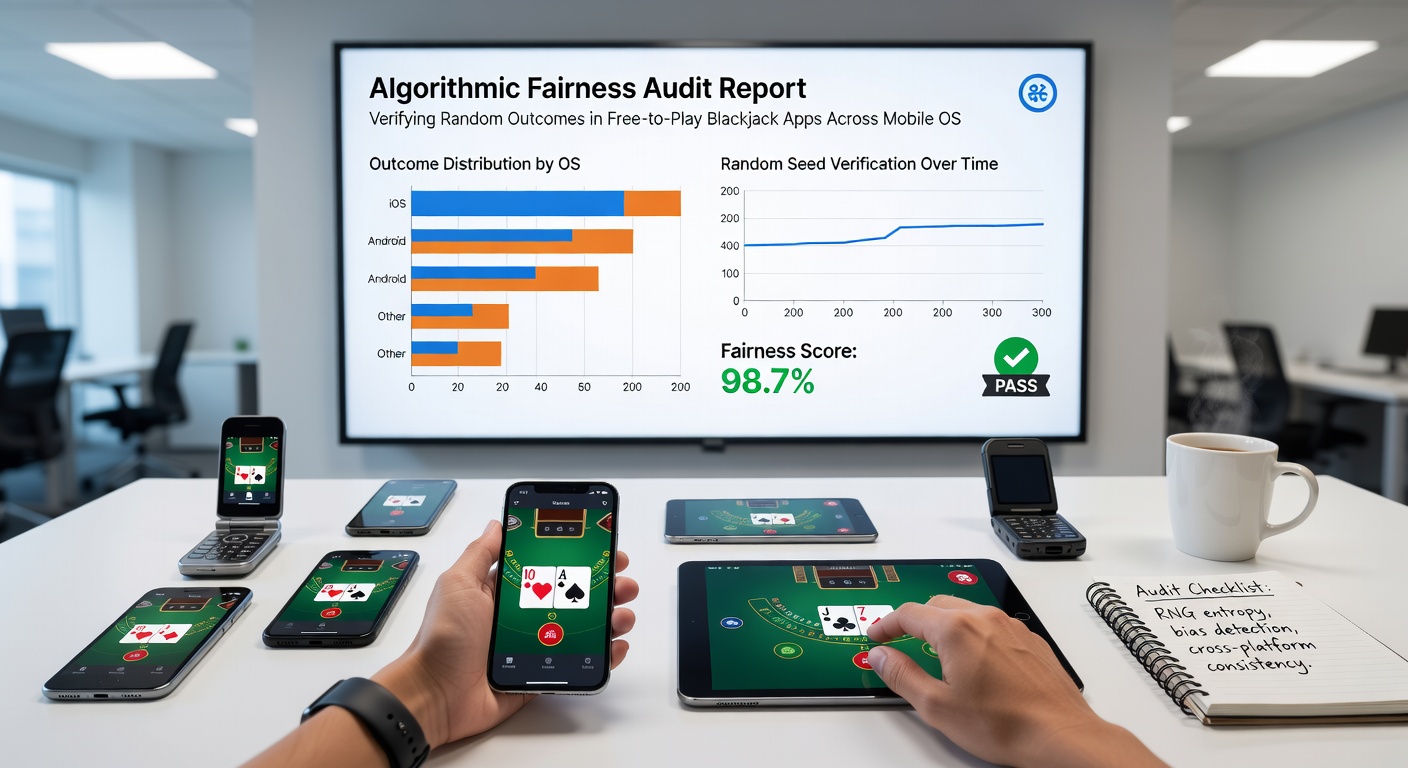
Algorithmic fairness audits examine the random number generators that power free-to-play blackjack applications, and these reviews focus on confirming that card sequences remain unpredictable across iOS, Android, and other mobile operating systems. Developers integrate pseudorandom algorithms into game engines, while auditors apply statistical batteries such as the Diehard tests and NIST randomness suites to measure uniformity and independence of outcomes.
Testing protocols compare results from thousands of simulated hands on each platform because device architecture, compiler optimizations, and operating system scheduling can introduce subtle variances in sequence generation. Researchers at independent laboratories collect raw output streams directly from application binaries, then they run chi-square analyses alongside runs tests to detect any clustering or repetition patterns that might indicate bias.
Platform-Specific Implementation Differences
Android applications often rely on the java.security.SecureRandom class seeded by hardware entropy sources, whereas iOS titles leverage SecRandomCopyBytes from the Common Crypto framework, and these distinctions require auditors to adapt verification scripts accordingly. Cross-platform frameworks such as Unity or Unreal Engine add another layer since their built-in random functions map differently to native APIs on each system. Observers note that discrepancies appear most frequently during high-frequency draw sequences when background processes compete for entropy pools on lower-end devices.
Verification Methodologies in Practice
Auditors begin by isolating the RNG module within each application binary, then they extract seed initialization routines and subsequent draw calls for isolated execution in controlled environments. Statistical sampling occurs over millions of iterations while temperature, battery level, and network state vary to replicate real-world usage conditions. Data shows that properly implemented systems maintain p-values above established thresholds across all test batteries, and any deviation triggers deeper source code review.
One study revealed that certain free-to-play titles inadvertently reused seed values after application restarts on specific Android versions, and subsequent patches addressed the issue through improved entropy gathering from device sensors. Another case involved an iOS build where background app refresh interfered with random state updates, yet developers resolved the conflict by switching to a continuous entropy feed from the secure enclave.
Regulatory and Industry Standards
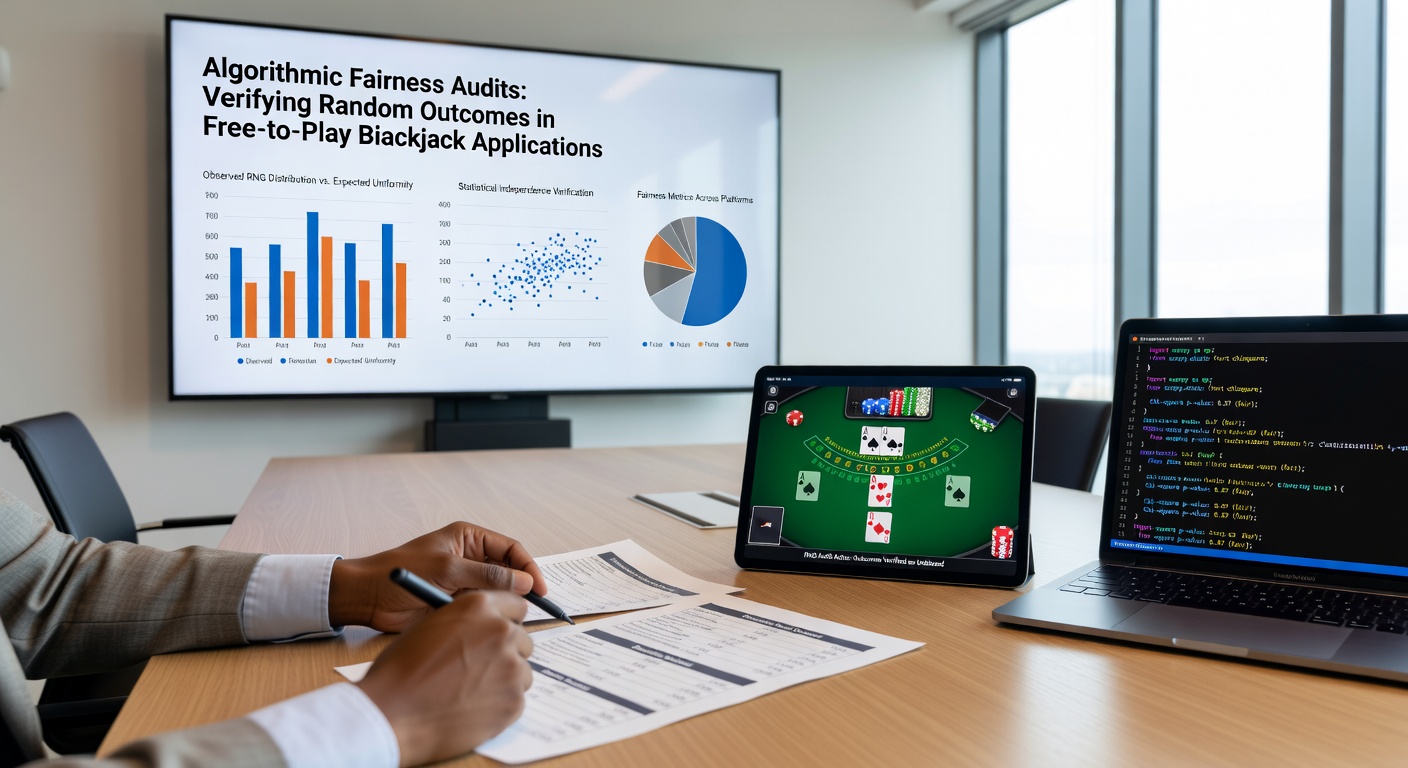
Certification bodies require periodic re-audits whenever major operating system updates occur, and these reviews typically happen at six-month intervals for high-traffic applications. Figures from the National Institute of Standards and Technology indicate that updated entropy guidelines released in early 2025 influenced several testing frameworks used by gaming labs. In May 2026 the International Gaming Standards Association plans to publish revised mobile RNG compliance criteria that incorporate new hardware random sources available on recent chipsets.
Independent testing companies maintain large device farms containing representative hardware from multiple manufacturers so they can execute parallel test suites without platform-specific interference. Results get compiled into detailed reports that list pass or fail metrics for each statistical category along with any corrective actions recommended. Those who've studied these reports find that failure rates have declined steadily as developers adopt more robust entropy collection methods across operating systems.
Emerging Challenges and Solutions
Cloud-based game streaming services introduce additional variables because random generation occurs on remote servers rather than on the mobile device itself, and auditors must verify both the server-side RNG and the transmission integrity of results. Machine learning models that predict player behavior sometimes interact with RNG calls in unexpected ways, prompting labs to include adversarial testing scenarios in their audit packages.
What's interesting is how hardware security modules embedded in newer smartphones provide direct access to true random sources, and applications that tap these modules demonstrate improved statistical properties compared with purely software-based approaches. Experts have observed that cross-platform consistency improves when developers standardize on well-audited libraries such as those endorsed by iTech Labs rather than custom implementations.
Conclusion
Algorithmic fairness audits continue to evolve alongside mobile operating systems and hardware capabilities, ensuring that free-to-play blackjack applications maintain verifiable randomness regardless of the device environment. Ongoing collaboration between developers, testing laboratories, and standards organizations supports consistent verification practices that adapt to new platforms as they emerge.