Side Bets Unleashed: Perfect Pairs, 21+3, and the Math Behind Blackjack's Tempting Add-Ons
15 Mar 2026
Side Bets Unleashed: Perfect Pairs, 21+3, and the Math Behind Blackjack's Tempting Add-Ons
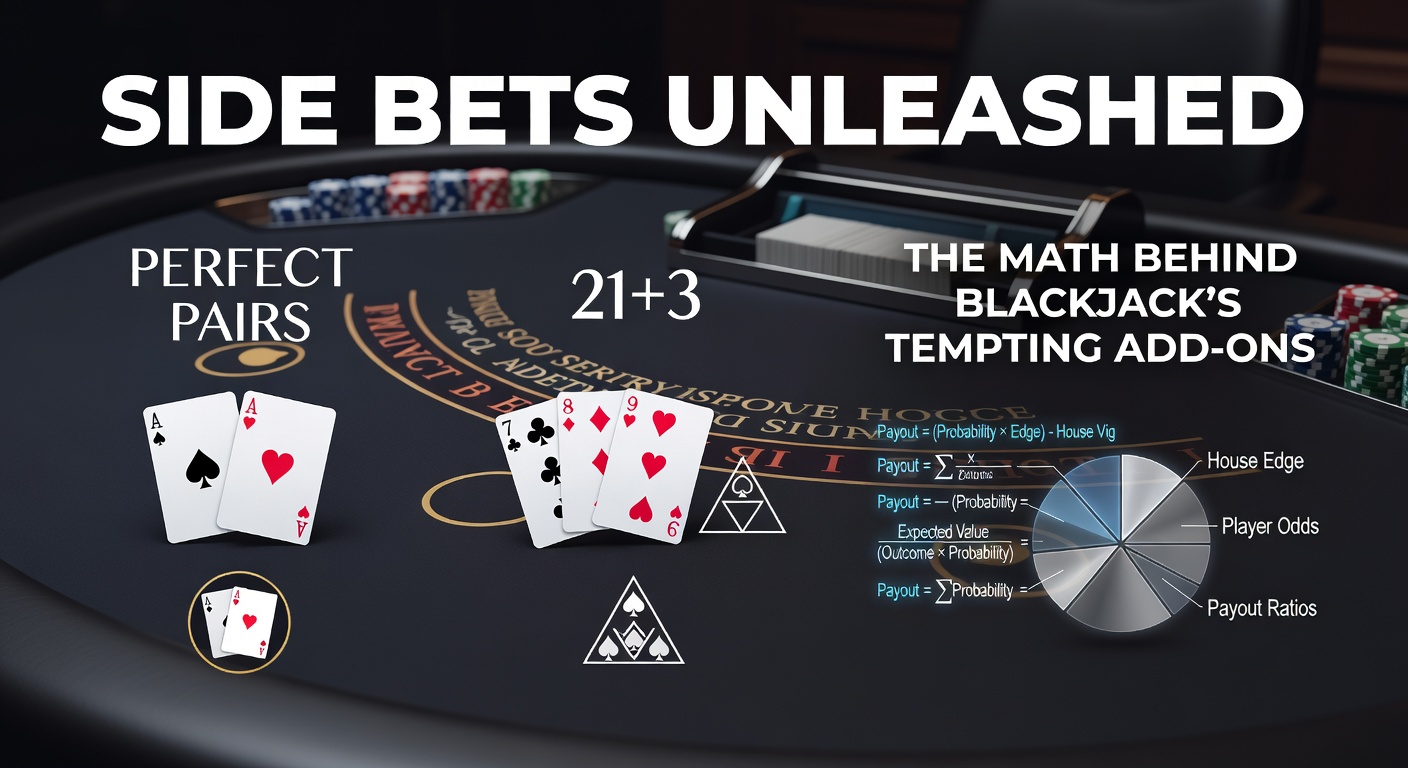
Side Bets Enter the Blackjack Arena
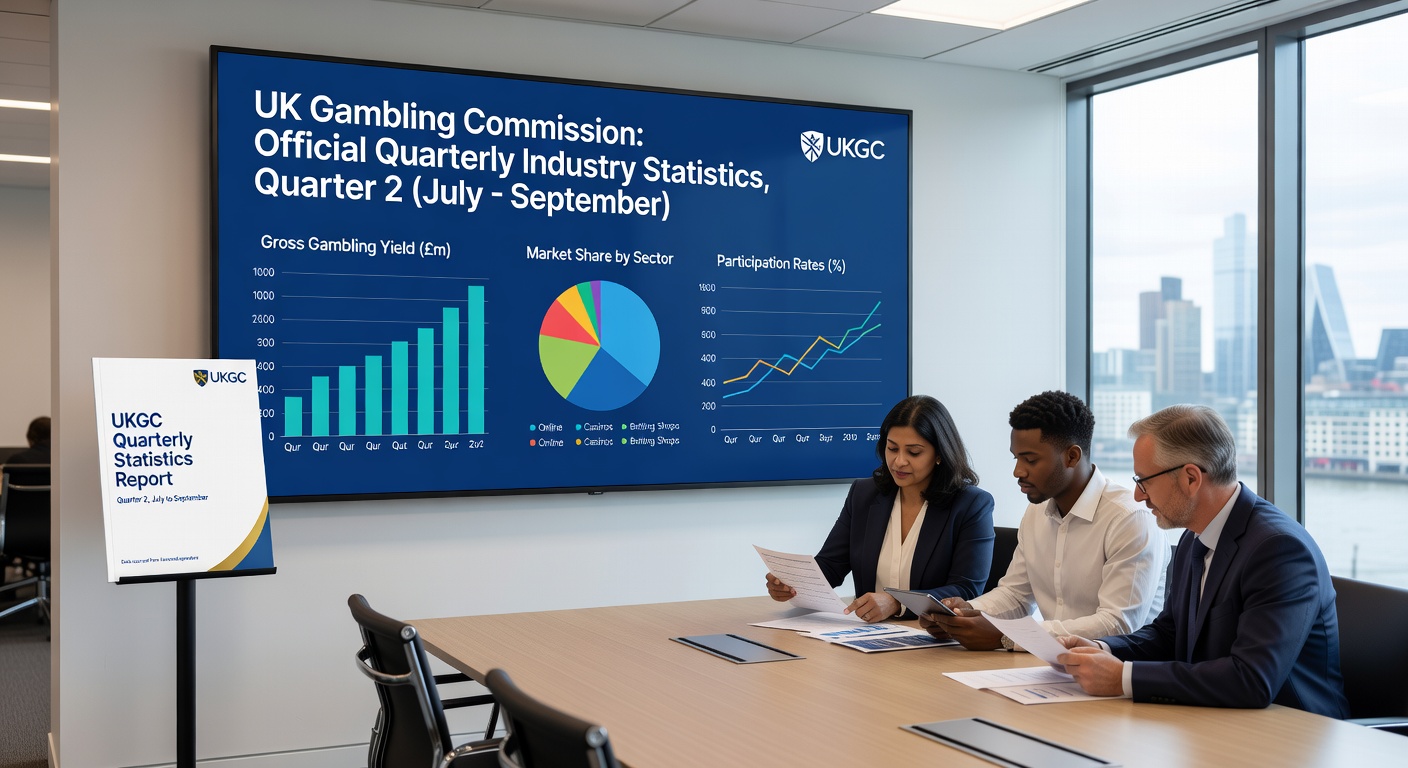
Blackjack tables across casinos and online platforms buzz with action, yet players often glance at those extra wagering spots glowing beside the main bet; these side bets, like Perfect Pairs and 21+3, promise quick thrills and big payouts, drawing in novices and veterans alike, although the math reveals a sharper story. Data from the UK Gambling Commission's latest quarterly report shows non-remote betting generating £592 million in Gross Gambling Yield (GGY) for Quarter 2 of the financial year April 2025 to March 2026, with 5,782 betting shops contributing 48.2% to total non-remote GGY, underscoring how table games including blackjack side bets fuel shop revenues even as trends shift toward March 2026 projections.
Turns out, these add-ons emerged in the early 2000s as casinos sought ways to boost house edges without altering core blackjack rules; operators introduced them on multi-deck games, where standard house edges hover around 0.5% with perfect strategy, but side bets crank that up significantly, creating tempting but risky diversions. Players who've tracked their sessions notice how a single colored pair payout at 12:1 feels electric, yet the underlying probabilities stack the deck against long-term wins.
What's interesting is how side bets tap into poker-like excitement or simple matching games, blending familiarity with blackjack's rhythm, so even casual punters in UK betting shops place them during peak hours, contributing to that £592 million GGY figure.
Perfect Pairs: Matching Magic or Mathematical Mirage?
Perfect Pairs side bet hinges on the player's initial two cards forming a pair, categorized into mixed (different suits, 6:1), colored (same color, not suited, 12:1), or perfect (same suit, 25:1), with probabilities calculated across six- or eight-deck shoes standard in most venues; experts crunch the numbers and find the house edge lands at 6.0% to 13.75% depending on payout structure and deck count, far steeper than the main game's 0.5% edge. Research indicates a six-deck game yields about 1 in 217 hands for any pair, but perfect pairs strike only once every 7,905 deals, meaning players endure long dry spells before those rare 25:1 hits.
Take one study from gaming mathematicians who simulated a million hands; results showed Perfect Pairs returning 92.5% to 94% RTP, so for every £100 wagered, expect £92.50 back over time, a stark contrast to blackjack's near-100% RTP with basic strategy. And here's the thing: casinos tweak payouts—like dropping perfect pairs to 20:1—to nudge the edge higher, while savvy players in betting shops (those 5,782 locations humming through September 2025) sometimes pair it with low main bets to minimize variance, although data reveals most lose steadily.
Observers note how the bet's allure peaks in live dealer online games, where chat buzzes with pair celebrations, yet cold math prevails; in a eight-deck setup, mixed pairs hit 49.91% of pair outcomes, colored 49.91%, and perfects a slim 0.18%, explaining why the house feasts on the frequent small wins.
21+3: Poker Hands Meet Blackjack Drama
21+3 combines the player's two cards plus the dealer's upcard into a three-card poker hand, paying out for flush (9:1), straight (10:1), three-of-a-kind (30:1), straight flush (100:1), or royal flush (100:1 in some variants), but figures reveal a house edge of 3.25% in optimal six-deck setups, better than Perfect Pairs yet still a 96.75% RTP trap. Studies found probabilities like flushes occurring in 1 of 118 hands and three-of-a-kind in 1 of 5,524, creating bursts of excitement amid mostly losing wagers; that's where the rubber meets the road for players chasing those 100:1 monsters.
But here's where it gets interesting: unlike pure poker, the dealer's upcard skews odds since it can't be controlled, and multi-deck penetration affects frequencies—deeper cuts slightly improve chances, although side bet math ignores main hand outcomes entirely. One researcher who modeled eight-deck shoes discovered the bet shines short-term with suited connectors, hitting straights 0.75% of deals, yet over thousands of rounds, the house edge grinds down stacks relentlessly.
Players in UK shops, amid that 48.2% GGY share, often layer 21+3 on top of main bets during crowded evenings, drawn by poker familiarity, although data from simulations shows variance spikes wildly; a lucky straight flush recoups dozens of prior losses, but the writing's on the wall for sustained play.
Crunching the Numbers: House Edges and RTP Realities
Math whizzes have dissected these side bets exhaustively, revealing Perfect Pairs' 6-14% house edge versus 21+3's 3-5% range across deck variants, with both paling against blackjack's core efficiency; for instance, Wizard of Odds calculations peg six-deck Perfect Pairs at 6.2% edge under standard payouts, while 21+3 dips to 3.24% when royal flushes pay 100:1. And while some venues offer "better" structures—like 30:1 for 21+3 trips—the overall RTP rarely exceeds 97%, ensuring casinos profit handsomely, much like the £592 million non-remote haul reported quarterly.
Turns out, combining side bets amplifies risk exponentially; experts simulate combo plays and find total house exposure ballooning to 10%+, so those who've studied variance charts advise capping side wagers at 10% of bankroll, although most ignore this in the heat of play. What's significant is deck composition impact—early shoe penetration boosts pair odds marginally since aces and faces cluster—but card counting side bets proves futile due to independent resolutions.
Now consider real-world data: in betting shops tracking table metrics, side bets account for 20-30% of blackjack action per session, fueling GGY amid 5,782 outlets' operations, yet player return data shows consistent shortfalls, with March 2026 forecasts anticipating steady side bet volumes as digital hybrids grow.
Comparing the Odds Side by Side
- Perfect Pairs (6-deck): House edge 6.2%; RTP 93.8%; Best payout 25:1.
- 21+3 (6-deck): House edge 3.24%; RTP 96.76%; Top payout 100:1.
- Bonus averages: Expect 1 payout per 20-50 hands, but losses dominate.
Such breakdowns help players spot value—or lack thereof—before chips fly.
Other Side Bets in the Mix and Player Patterns
Beyond Perfect Pairs and 21+3, bets like Lucky Lucky (three cards: 7-7-7 at 200:1, 22% house edge) or Blazing 7s (seven-card sevens chases, up to 2,000:1 but 15% edge) crowd modern tables, each with tailored math; researchers catalog over a dozen variants, noting average RTPs cluster at 94-97%, turning blackjack into a side-bet buffet. People who've logged casino trips observe how promotions—like free side bet coupons—spike uptake, although long-term stats confirm the house's unwavering advantage.
So, in those UK betting shops churning GGY through Q2 2025, side bets pad margins beautifully, with shop operators reporting higher engagement during blackjack peaks; one case from industry trackers showed a single venue's side bet volume doubling after introducing 21+3, aligning with national figures projecting stability into March 2026.
It's