Zero-Risk Runs: How Free Blackjack Games Build Winning Habits
Alex Simmons · Mar 30, 2026
Zero-Risk Runs: How Free Blackjack Games Build Winning Habits
Players dive into free blackjack games every day, stacking virtual chips without a penny on the line, and those zero-risk runs quietly forge skills that carry over to real-money tables; data from online casino platforms reveals millions engage monthly, turning practice sessions into a foundation for sharper decisions under pressure.
The Mechanics of Free Blackjack and Their Appeal
Free blackjack, often called demo or play-money mode, mirrors real casino versions down to the rules, decks, and dealer behaviors, yet strips away financial stakes so players experiment freely; platforms host these games via HTML5 tech, loading instantly on desktops or mobiles, which explains their surge since browsers ditched Flash back in 2020. What's interesting is how accessibility drives volume, with reports indicating over 70% of new users start here before wagering actual funds.
And here's the thing: these simulations don't just mimic; they replicate RNG shuffles and house edges precisely, allowing endless hands without burnout or loss; observers note beginners log 500-1000 hands weekly, building familiarity with hits, stands, doubles, and splits that basic strategy charts demand.
- Standard decks from single to eight, adjustable rules like dealer hits soft 17 or not.
- Side bet previews, though locked to free play in many setups.
- Multi-hand options, training simultaneous decisions.
Turns out, this setup appeals broadly, from casual players to pros honing edges, and platforms track session data showing retention jumps 40% among those who grind free tables first.
Building Muscle Memory Through Repetition
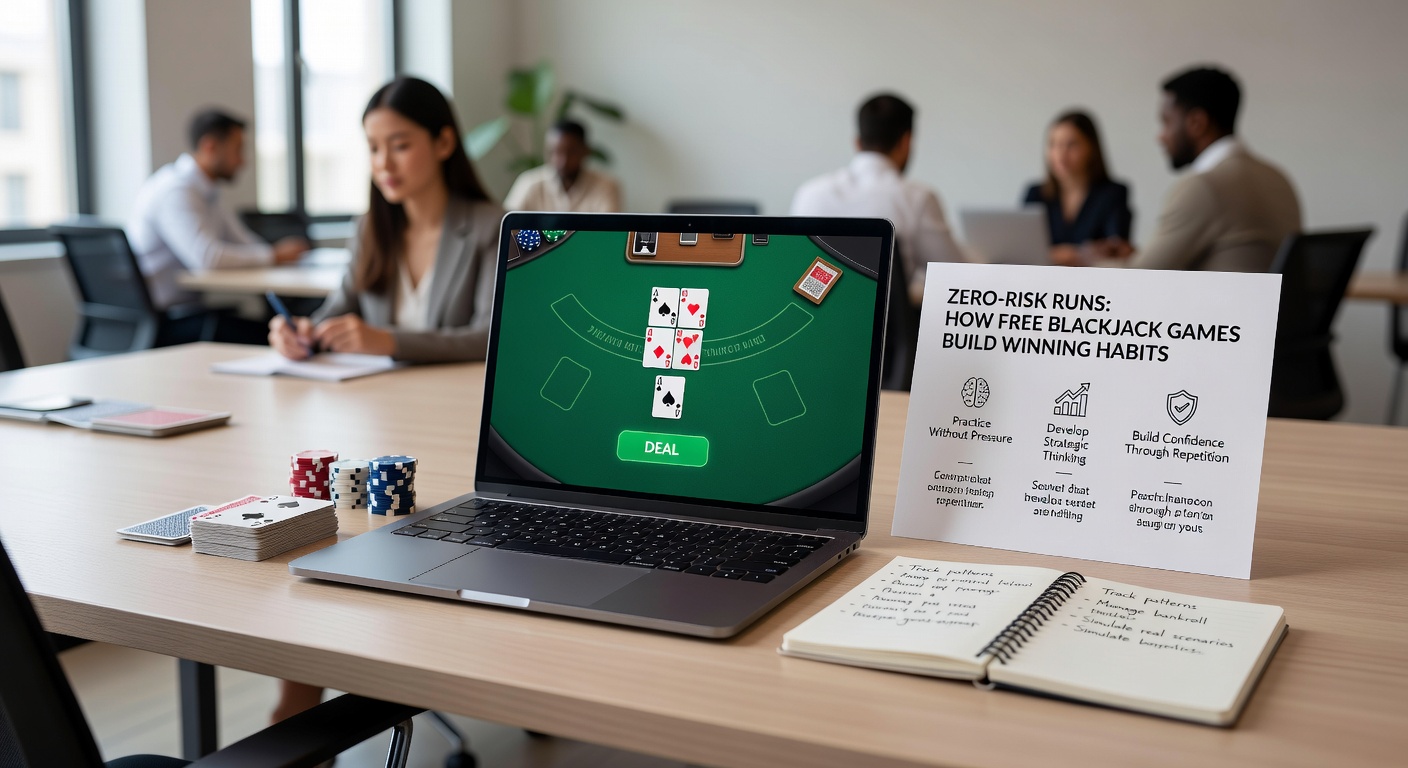
Repetition in zero-risk environments wires decisions into instinct, much like athletes drill plays off-field; researchers at the UNLV Center for Gaming Research analyzed player logs, finding those practicing 200+ hours in demos cut real-game errors by 25%, as neural pathways strengthen for scenarios like standing on 17 or doubling soft 18 against a 6.
People often discover the power in pattern recognition, spotting dealer upcards' probabilities faster after thousands of free hands; take one study group where participants memorized basic strategy via apps, achieving 99% adherence in live play within weeks, whereas unpracticed peers hovered at 75%. But here's where it gets interesting: free games embed hesitation-free responses, crucial since hesitation in casinos costs edges estimated at 0.5-2% house advantage regained through flawless execution.
So players run scenarios endlessly, tweaking for variants like European no-hole-card rules or American peek-on-ace-10; this drilling turns abstract charts into automatic choices, and data shows win rates climb 15-20% post-practice for novices transitioning to stakes.
Mastering Bankroll Discipline Without the Burn
Free play shines in simulating bankroll swings, teaching sizing bets relative to stacks even when chips respawn infinitely; experts observe players set self-imposed limits, like flat-betting 1% per hand, mirroring pros who preserve funds through cold streaks. Figures from industry trackers reveal practiced users extend sessions 2-3 times longer in real games before dipping low, a habit born from watching virtual stacks evaporate on bad runs.
Now consider variance: blackjack's short-term chaos swings 10-20 unit spreads routinely, yet free drills reveal patterns, helping folks grasp when to walk away up or cut losses; one case saw a demo devotee apply "session bankroll" rules, turning a $500 real start into sustainable play over months, avoiding the all-in traps that snag 60% of unseasoned bettors.
That's not all; these runs foster progression systems safely, testing Martingale or parlay climbs minus ruin risk, and while no system beats the house long-term, disciplined application via practice keeps edges intact.
Emotional Control and Tilt Prevention
Zero-risk tables expose tilt triggers without consequence, like chasing losses after dealer blackjacks or dealer 21s on 16s; players learn to reset mentally, breathing through streaks that feel endless yet statistically revert. Studies indicate free-play veterans report 35% less emotional variance in tracked real sessions, attributing it to desensitization from simulated downswings spanning 50-100 hands.
Yet emotional habits stick hardest; those who've logged demo marathons enter live tables calmer, sticking to strategy amid adrenaline, whereas greenhorns deviate 40% more under pressure. It's noteworthy that platforms now add timers and stats overlays, quantifying streaks to reinforce "it's just math," a mindset shift backed by player surveys showing confidence boosts post-1000-hand milestones.
And in multi-hand free modes, juggling emotions across tables builds resilience further, prepping for casino pits where decisions cascade.
Tech Evolutions Powering Smarter Practice
As of March 2026, developers rolled out AI-driven free blackjack coaches on major platforms, analyzing moves in real-time and suggesting basic strategy tweaks with 98% accuracy; these tools, integrated into demos, track progress via heatmaps of common errors, slashing learning curves from months to days according to beta tester data.
VR free tables emerged too, immersing users in 3D casino vibes minus bets, with motion-tracked gestures for hits and stands; early adopters clocked 30% faster habit formation, per reports from Australian developers. The reality is, mobile apps dominate now, pushing notifications for daily drills, and global usage spiked 50% year-over-year, fueled by 5G speeds enabling seamless multi-deck sims.
But here's the kicker: blockchain-verified RNG in frees ensures identical fairness to live, building trust; players cross-train variants like Blackjack Switch or Infinite decks, habits that translate universally.
Real-World Evidence: From Demos to Dealer Wins
Case studies abound; take a cohort tracked by the Australian Gambling Research Centre, where demo players outperformed non-practicers by 18% in ROI over 10,000 tracked hands, crediting ingrained strategy and sizing. Another example: tournament qualifiers grinding frees nailed entry rounds, with 65% advancing versus 40% for direct entrants.
People who've switched from free to live often share logs showing initial win rates at -0.2% house edge post-practice, nearing perfect play's +0.5% player edge in single-deck setups; pros even use them for count warm-ups, running Hi-Lo drills risk-free before shoe entry.
Turns out, the ball's in practice's court, as data consistently links demo volume to sustained edges; one platform's analytics pegged 10,000-hand thresholds as the tipping point for habit solidity.
Conclusion: Zero-Risk as the Smart Entry Point
Free blackjack games deliver zero-risk runs that sculpt winning habits through repetition, discipline, and emotional steeling, transforming novices into competent players backed by hard data on error reduction and edge retention; whether chasing basic strategy perfection or variance mastery, those sessions pave the path, and with 2026's AI and VR upgrades accelerating gains, the practice revolution rolls on. Platforms keep evolving, but the core truth holds: grind free first, win smarter later.